

Study Abroad
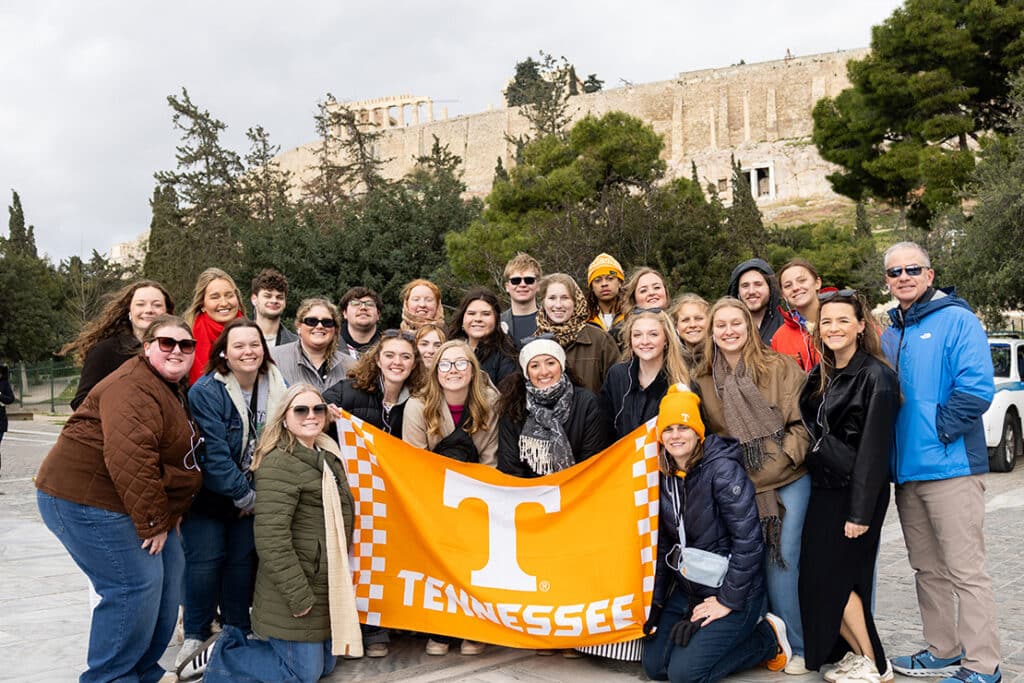
The Herbert College of Agriculture believes that experiential learning via international study is essential to preparing students to lead in agriculture, natural resources, and construction sciences.
Global Education at Herbert
Study abroad is an intentional educational experience grounded in academic purpose, research, cultural engagement, and student development. Herbert study abroad programs are designed to help students integrate global learning into their degree plans, explore disciplinary perspectives in an international context, and build skills such as intercultural competence, adaptability, and global citizenship.
Study abroad at Herbert is delivered through a collaborative model that blends faculty-led academic programming with support from the Programs Abroad Office. Faculty leaders and Herbert’s study abroad program coordinator guide students through program selection, academic alignment, health and safety preparation, and reflective learning before, during, and after the experience.
Important Information
Study Abroad Journey
Steps to Study Abroad
- Meet with Herbert study abroad coordinator Kyra Barrier to start the process.
- Meet with your student success advisor to see how studying abroad can fit into your academic journey.
- Apply for your desired program by the deadline and any applicable scholarships (e.g. Herbert Study Abroad Scholarship).
- Formally commit to the program you applied for.
- Receive and fulfill next steps from the Programs Abroad Office at [email protected].
- Go abroad!
Types of Study Abroad Programs
Program Types
Faculty-Directed Programs
UT faculty-directed programs allow you to study abroad under the guidance and supervision of a faculty member with a group of other UT students. These are generally short-term programs that run during mini-term, summer, and spring break.
Affiliate Programs
Affiliate programs are coordinated by study abroad organizations and other universities that are in the business of facilitating study abroad experiences for students. These program providers offer the greatest variety of schools and countries to choose from. If you have your heart set on studying at a specific university in a specific country, then a UT affiliate program may be your best option.
Exchange Programs
For programs designated “Exchange,” you study at University X, and a student from University X comes to Knoxville to study at UT. Because there is an even swap of students, you generally pay what you would pay if you were spending the semester at UT (tuition, fees, and sometimes room and board). Because, in some cases, there is an even exchange of students, the number of students who can participate may be limited. To participate in an exchange program, you should be independent, resourceful, and confident.
Direct Programs
These programs allow you to enroll directly into a foreign university. Instead of paying tuition at UT as you would on an exchange program, you pay tuition (and usually your housing) to your host institution. Some of our more popular exchange programs also have direct options, so even if you are unable to participate in an exchange program, you frequently can study at the same university through direct enrollment.
Academic Internships
Academic internships enable you to gain practical work experience in a wide variety of fields while earning academic credit. If you choose and are accepted for this type of program, you will be placed in an internship that directly reflects or relates to your course of study at UT. You have the option of choosing a full-time summer internship or a part-time internship combined with a traditional study abroad program.
2026-2027 Herbert Faculty-Led Study Abroad Programs
Winter Mini
(January 4–17, 2027)
Costa Rica FYE Cohort 1
- Date: January 4–10
- Faculty: L. Phillips and T. Gifford
- Recruiting: first-year students
Costa Rica FYE Cohort 2
- Date: January 11–17
- Faculty: C. Wayman and B. Downey
- Recruiting: first-year students
Food, Culture, and Sustainability in Greece
- Date: January 7–17
- Faculty: D. Golden and M. West
- Recruiting: food science, agricultural business, and plant sciences
Roman and Medieval Era Construction
- Date: January 7–17
- Faculty: D. Sain and A. Smith
- Recruiting: construction science and management
Spring Break
(March 6–15, 2027)
Glorious Gardens in Sicily
- Date: March 6–13
- Faculty: A. Pulte and M. Ross
- Recruiting: plant sciences, forestry, and environmental science
Guatemala FYE
- Date: March 7–12
- Faculty: C. Romanini and J.L. Jurat-Fuentes
- Recruiting: first-year students
May Mini
(May 14–June 3, 2027)
Glorious Gardens in Japan
- Date: May 17–June 3
- Faculty: A. Pulte and M. Ross
- Recruiting: plant sciences, forestry, and agricultural business
Regenerative Farming Thailand
- Date: May 16–28
- Faculty: B. Flanagan
- Recruiting: food science, agricultural business, and international agriculture and natural resources
Wild Britain: Discovering England and Scotland’s National Parks
- Date: May 14–22
- Faculty: R. Sharp and J. Greig
- Recruiting: wildlife and fisheries science, forestry, and natural resource and environmental economics
The Balkans: Fields, Feasts, and Forgotten Empires Croatia and Bosnia
- Date: May 14–31
- Faculty: D. Hadziabidic Guerry and D. Shoemaker
- Recruiting: food science; plant sciences; and agricultural leadership, education, and communications
The Ag Business of Beer: Farm to Tap to Tomorrow
- Date: May 17–29
- Faculty: J. Stier, A. Clugg, and N. Bharadwaj
- Recruiting: food science, biosystems engineering, and agricultural business
Western Australia (Sustainable Agriculture)—Policy and Leadership
- Date: May 16–June 2
- Faculty: C. Stephens and N. Eash
- Recruiting: agricultural leadership, education, and communications; agricultural business; and natural resource and environmental economics
Summer
(May 24–June 30, 2027)
Tropical Fishes in Mexico
- Date: May 26–June 4
- Faculty: A. Molina and G. Engman
- Recruiting: wildlife and fisheries science, environmental science, and natural resource and environmental economics
SAVE Belize
- Date: May 24–June 5
- Faculty: E. Shepherd
- Recruiting: animal and veterinary science, one health, and wildlife and fisheries science
One Health Japan: A Nation in Balance—Humans, Animals, and Environment
- Date: May 31–June 13
- Faculty: S. Eda
- Recruiting: animal and veterinary science, one health, and environmental science
Herbert Undergraduate Study Abroad Scholarship
Overview
The Herbert Undergraduate Study Abroad Scholarship is available to degree-seeking undergraduate students with a major in the Herbert College of Agriculture. It supports credit-bearing, pre-approved study abroad programs and helps cover program-related fees and expenses.
Students must submit the scholarship application by the deadline appropriate for their program. Applications are reviewed by a panel of Herbert faculty and staff, and decisions are announced prior to the program payment deadlines.
Priority Consideration
Priority consideration is given to students who have not previously received a Herbert study abroad scholarship or participated in another study abroad program. This priority supports the college’s goal of ensuring that 50% of Herbert students complete an international experience by expanding access to students who have not yet had the opportunity to study abroad.
We value all students’ commitment to international learning and encourage students with previous study abroad experience to apply. However, funding is prioritized to help make a first international experience accessible to as many Herbert students as possible.
Review Criteria:
- Alignment of program/location with academic, career, and personal goals
- Potential for cultural, academic, and professional growth
- Ability to represent Herbert and the University of Tennessee positively abroad
Eligible Majors:
- Agricultural Business
- Agricultural Leadership, Education, and Communications
- Animal and Veterinary Science
- Bioinformatics
- Biosystems Engineering
- Construction Science and Management
- Environmental Science
- Food Science
- Forestry
- Natural Resource and Environmental Economics
- Plant Sciences
- Wildlife and Fisheries Science
*Non-Herbert students enrolled in a Herbert minor and participating in a Herbert faculty-led study abroad course may be eligible for limited funding. These students must have completed or be currently enrolled in at least three Herbert courses. Substitutions do not count toward this requirement.
Funding
Applicants who demonstrate outstanding alignment with all review criteria and commit to meeting all program requirements will be considered for the maximum funding amount per student. Students enrolled in Herbert faculty-led study abroad programs that are already subsidized may receive reduced funding, subject to available resources and broader financial considerations.
Award Expectations
Scholarship awards are intended to offset—not fully cover—study abroad expenses. Scholarships will typically cover up to 25% of a student’s total program cost. Students should plan to use additional resources, including personal funds, financial aid, external scholarships, and other funding sources, to cover remaining expenses. Funding opportunities are available through the Programs Abroad Office.
Student Type, Program Type, Max Funding:
- Herbert major, Herbert faculty-led program with Herbert course prefix, $3,000–$3,650
- Herbert major, non-Herbert faculty-led program or non-Herbert course prefix, $500
- Herbert major, semester/year abroad, $300
- Non-Herbert student with Herbert minor, Herbert faculty-led program with Herbert course prefix, $250
Additional Support:
- Herbert major with financial need, Herbert faculty-led program with Herbert course prefix, $250–$500
- Herbert major participating in Vol Edge, Herbert faculty-led program with Herbert course prefix, $250
Study Abroad Funding Award Tiers
The amount of funding you may be eligible to receive is based on your program fee. Funding awards are not guaranteed. Students may receive up to the maximum award amount listed below, subject to application quality, available funding, and eligibility requirements.
- Program fee: $2,500–$3,400; maximum funding up to $3,000
- Program fee: $3,401–$4,300; maximum funding up to $3,250
- Program fee: $4,301–$5,200; maximum funding up to $3,450
- Program fee: $5,201–$6,100; maximum funding up to $3,650
- Program fee: $6,101 and above; maximum funding up to $2,000
Important Information:
- Funding amounts shown above are maximum award amounts, not guaranteed awards.
- Actual award amounts may vary based on available funding, eligibility, and application review.
- Students are strongly encouraged to submit their applications before the deadline. Early and complete applications help ensure consideration for available funding opportunities.
- Meeting eligibility requirements and submitting a strong application can improve your chances of receiving funding.
Expectations:
- Keep a journal and take photos/video during the experience for sharing with the college
- Complete the program evaluation in the Vols Abroad Portal
- Promote the Herbert study abroad program to future applicants
- Participate in a thank-you video upon request
In addition to Herbert, UT Knoxville and external organizations offer study abroad scholarships for a wide range of student needs. Explore your options and see how doable studying abroad can be!
For questions, please contact study abroad coordinator Kyra Barrier at [email protected].
2025-2026 Snapshot
$300,000+
student scholarships
Herbert awarded a record amount of scholarship funding for study abroad.
9
faculty-led programs
The college coordinated several new programs that reached full capacity.
50%
increase from 2024-2025
Herbert achieved record study abroad participation.
Programs Abroad
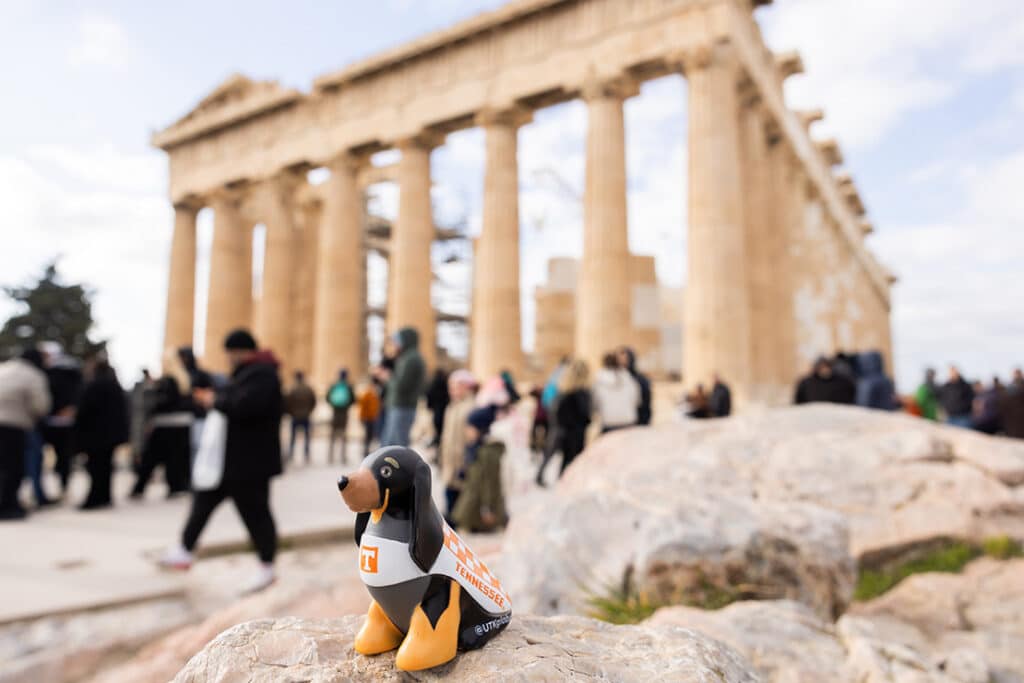
The Programs Abroad Office within UT’s Center for Global Engagement strives to enrich Tennessee through international development, global awareness, and service on the world stage.
Smith International Center
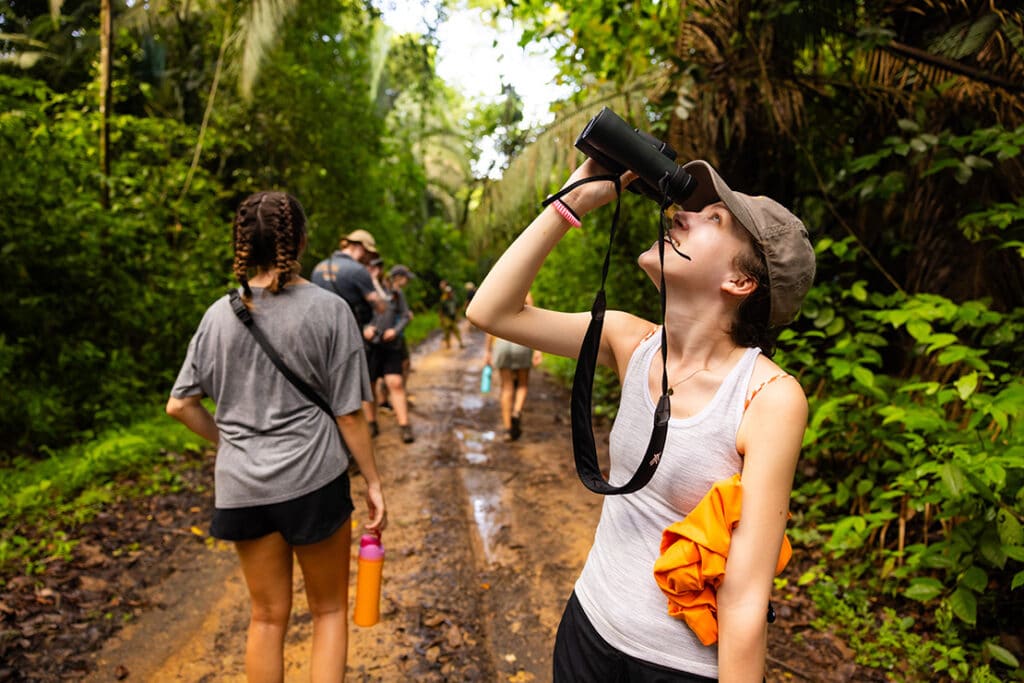
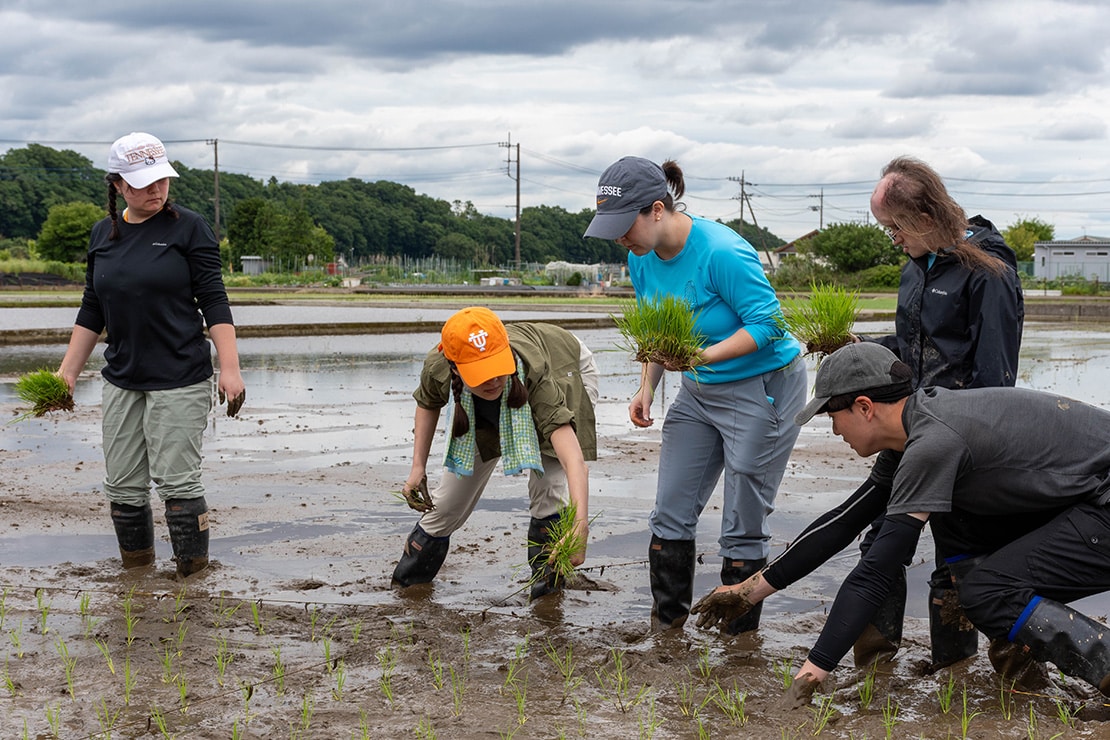
The Herbert College of Agriculture collaborates with the Smith Center for International Sustainable Agriculture to support faculty leading programs and create transformational global experiences for students.

Contact Us
Meeting with the Herbert study abroad coordinator is more than just choosing a destination—it’s a guided planning partnership. Through individualized advising, students can explore study abroad opportunities aligned with their major, academic goals, and career interests while ensuring progress toward degree completion. Contact Herbert study abroad coordinator Kyra Barrier for questions about study abroad programs, scholarships, and more.
Contact us for help!
