
Biosystems Engineering, PhD
The Doctor of Philosophy in Biosystems Engineering combines education and developed research through linking engineering sciences and mathematics to real-world problems involving natural and man-made biologically based systems. The biosystems engineering PhD program blends high-level coursework with specialized research to prepare graduates for positions in higher education or the engineering industry.
Program Overview
The biosystems engineering doctoral degree provides the highest level of education in engineering, mathematics, biology, chemistry, and physics to conserve natural resources, protect the environment, and efficiently produce and process safe, plentiful, high-quality food and fiber.
The doctoral curriculum encompasses a culmination of skills in biothermodynamics, biochemistry, mechanical systems, hydrology, bioprocessing, instrument and controls, and engineering design through classwork and research.
Concentrations
Students in this graduate program pursue a general doctoral degree in biosystems engineering, with an optional concentration in energy science and engineering available.
Why study Biosystems Engineering?
Innovative Research
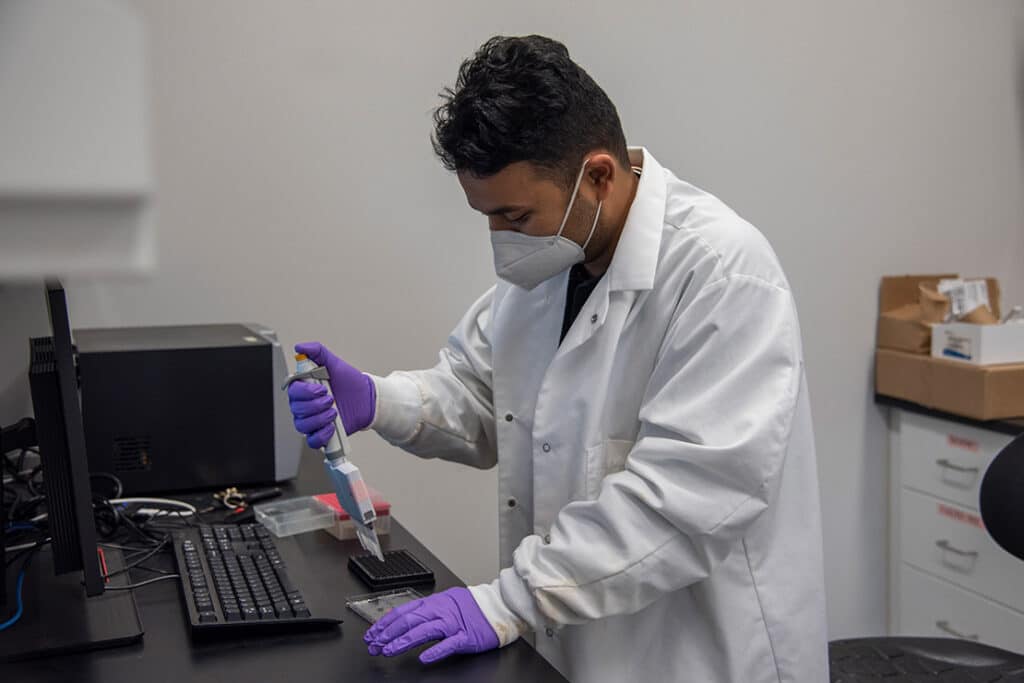
Research is a key component of the biosystems engineering program. Students can pursue advanced research in the areas of soil conservation and health, hydrology and water management, waste management, bioprocessing and biomass conversion, power and machinery, instrumentation and sensors, and control systems.
Renowned Faculty
The Department of Biosystems Engineering and Soil Science has been recognized nationally for its contributions to engineering. Faculty have received awards such as the Environmental Stewardship Outreach Award from Governor Bill Lee and Blue Ribbon Awards from the American Society of Agricultural and Biological Engineers. Biosystems faculty are also highly regarded across campus for their dedication to students and their success.
What can you do with a degree in Biosystems Engineering?
A PhD in biosystems engineering prepares students for a variety of careers in the engineering industry. Alumni have pursued employment in all engineering sectors, holding titles like agricultural engineer, professor, water resources engineer, project engineer, and technical solutions engineer.
Featured Courses
BSE 519 – Modeling Techniques and Applications
Engineering approach to mathematical modeling of physical phenomena. Systems definitions and boundaries; types and formulation of models and solution techniques; verification and calibration techniques; model applications and case studies. Graduate research proposal development and publication formatting.
BSE 619 – Mathematical Modeling for Engineers
Describing physical and biological settings with mathematical expressions. Applying modeling techniques toward analysis of case study data. Model development, evaluation, presentation, and journal publication.
Admissions and Aid
Learn more about admissions and aid by visiting the links below.