
Food Science, PhD
The Doctor of Philosophy in Food Science provides the highest level of education in principles of food quality, safety, chemistry, and nutrition. From safety to consumer perception, this all-encompassing program builds on skills to advance graduates’ careers in the food industry, government, and higher education.
Program Overview
Under the guidance of top food science experts, PhD students receive an advanced, research-intensive educational experience that cultivates independent scientific inquiry and leadership in the field. Through original, dissertation-level research and rigorous, innovation-driven coursework, students gain the training needed to pursue thriving careers and solve complex problems in food science.
Concentrations
The food science PhD program has four concentrations: food chemistry, food microbiology, food processing, and food engineering.
Why study Food Science?
Renowned Faculty
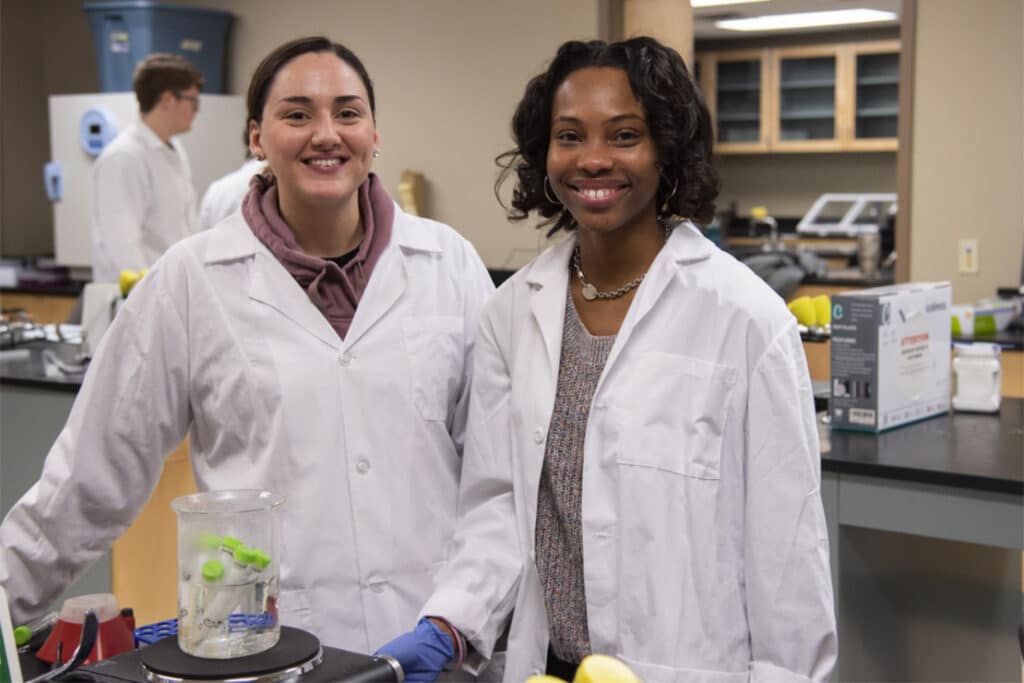
From food ingredient science and technology to flavor chemistry and sensory science, PhD students have the opportunity to conduct research alongside some of the world’s leading food science experts. Hands-on laboratory experience and mentorship from these faculty members prepare students with the essential skills needed for careers in research, academia, or industry.
Unique Research Opportunities
Research within food science ranges widely among the four unique research tracks: food chemistry, quality, and wellness; food safety, security, and biotech; and food processing and engineering.
What can you do with a degree in Food Science?
Our graduates often lead the research and development of new foods, improve safety and quality systems, and work as specialists in areas like microbiology, sensory science, and nutrition. In addition to working at some of the top food companies in the world or launching their own start-ups, our alumni also pursue academic careers as professors, where they continue to advance their research.
Featured Courses
FDSC 511 – Integrated Food Science
Critical review of the key principles of food lipid and protein chemistry and applications, using important commodities as examples; literature review on how processing impacts microbiological quality and compositional and functional properties of food.
FDSC 521 – Advanced Food Microbiology
Extrinsic and intrinsic factors associated with foods and food processing that relate to growth, survival, inhibition, detection, and recovery of foodborne pathogens and spoilage organisms; traditional and current approaches to microbiological food safety and quality.
FDSC 541 – Food Engineering
Transport processes in food engineering; unit operations; thermal and non-thermal processing of foods; food separations; processing and physicochemical properties of foods; calculations, design practices, and equipment used in food processing operations.
FDSC 618 – Structure and Functionality of Polysaccharides
Occurrence of polysaccharides and their role in nature, conformation and behavior in solutions, gelling mechanisms, and applications.
Admissions and Aid
Learn more about admissions and aid by visiting the links below.