
Natural Resources, PhD
The Doctor of Philosophy in Natural Resources is an interdisciplinary, research-focused program designed to advance understanding and expertise in the areas of forest, wildlife and fisheries biology, ecosystem function and structure, natural resource economics and policy, human dimensions of natural resource management, wood sciences, and multidisciplinary natural resources management.
Program Overview
This graduate program provides the highest level of education in natural resources, developing future experts in forestry, wildlife and fisheries, and natural resource economics and management. Those interested in the natural resources doctoral program will have likely completed a master’s degree in these areas and are highly encouraged to connect with a professor as a potential graduate advisor before formally applying.
The School of Natural Resources offers a wide range of research opportunities to choose from, providing valuable educational experiences for each student. Graduates gain the skills to advance their careers and become leaders in the protection of our world’s greatest assets.
Concentrations
Doctoral students can choose an optional concentration in bio-based products and wood science and technology, natural resource economics (offered by the Department of Agricultural and Resource Economics), or wildlife health.
Why study Natural Resources?
Meaningful Research
Under the guidance of renowned faculty experts, students pursue advanced research in forestry, wildlife and fisheries biology, ecosystem function and structure, natural resource economics and policy, wood sciences, and more. Research benefits their academic and professional growth, but also has the potential to positively impact forest lands and wildlife.
Natural Learning Environments
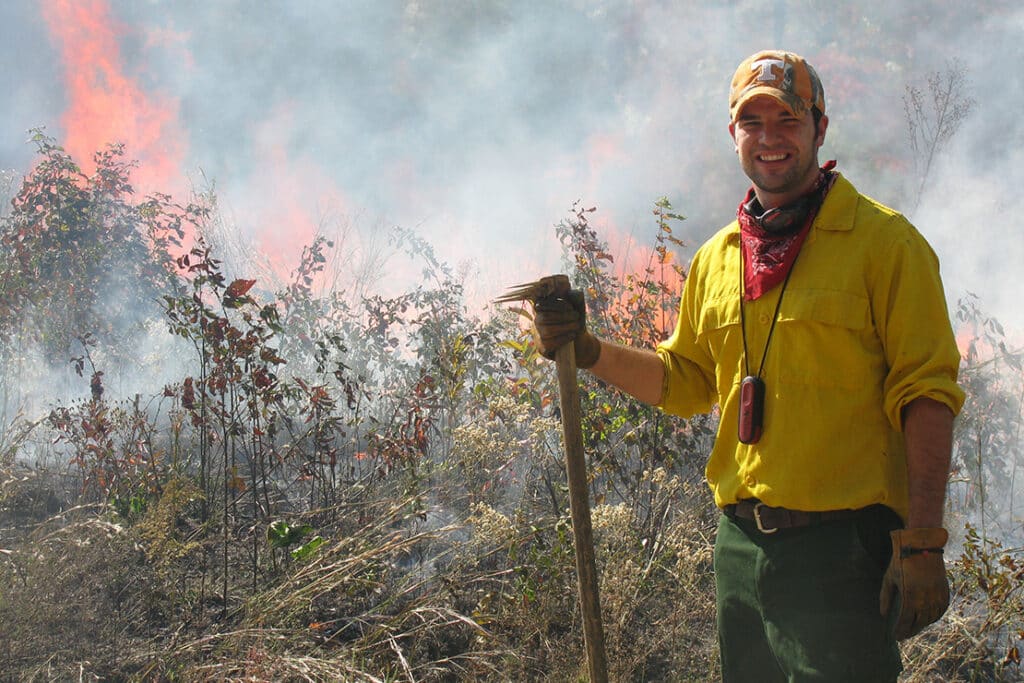
With over 21,000 acres of forest land available for teaching, research, and demonstration, doctoral students conduct research in an atypical laboratory setting. They spend more time observing and collecting data outdoors than sitting in a classroom or a standard laboratory.
Environmental Policy
The School of Natural Resources participates in a program designed to give graduate students an opportunity to develop an interdisciplinary specialization in environmental policy through the Department of Political Science. This minor pairs well with the natural resources doctoral program for those interested in studying how governments and organizations manage human impact on the environment and work to protect and conserve our resources.
What can you do with a degree in Natural Resources?
Graduates with a PhD in natural resources qualify for a variety of careers in research, higher education, environmental policy, consulting, and management. This includes roles like ecologist, climate change analyst, sustainability manager, professor of natural resources, etc. Opportunities are endless across government, non-profits, academia, and private industry contexts.
Featured Courses
WFS 501 – Ecology and Management of Wildlife Health
Review of ecological and environmental factors affecting wildlife health, and tools available for effective wildlife disease surveillance and management. Emphasis on the importance of multidisciplinary and interagency collaboration for the management of wildlife health problems. Build skills on grant proposal writing for a disease study that involves a team of experts as collaborators and includes a budget, Biosafety forms (if appropriate), and an IACUC proposal (if appropriate).
WFS 530 – Wildlife Diseases
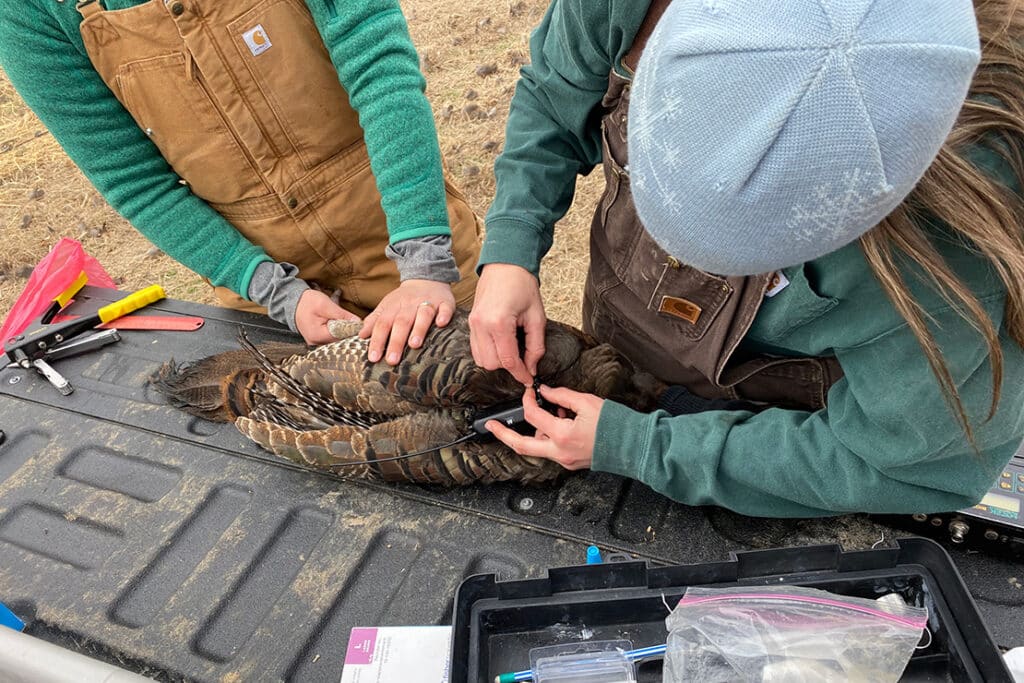
Necropsy of birds and mammals. Recognition of various diseases and methods of preparing pathological materials in the field and lab. Investigative procedures concerning wildlife diseases.
WFS 531 – Wildlife Physiology and Nutrition
Introduction and overview of endocrine and physiological mechanisms regulating wild animal populations (primarily wild birds and mammals): the importance of wildlife physiology and nutrition in monitoring and managing wildlife.
SNR 612 – Seminar in Natural Resources
Current issues and developments in natural resources. All natural resource doctoral students must complete 612 twice during their program of study.
Admissions and Aid
Learn more about admissions and aid by visiting the links below.