
Environmental Science, BS
The Bachelor of Science in Environmental Science emphasizes boots-on-the-ground learning and provides students with a diversified skillset to tackle environmental science-based careers in agriculture and natural resources. This program provides students with a strong basis in the natural sciences, and applied areas such as ecology, soil sciences, and natural resource policy.
Program Overview
In this cutting-edge program, students gain experience using modern technologies like geographical information systems, global positioning systems, and computer applications in natural resource management. Within the two unique pathways of soil science and conservation agriculture and environmental sustainability, students can specialize in soil and water conservation issues, land use problems, waste disposal, the reclamation of disturbed lands, and more.
Concentrations
There are two environmental science concentrations: soil science and conservation agriculture and environmental sustainability. Students can also choose the general environmental science track and add a watershed minor to any major pathway.
Why study Environmental Science?
Hands-On Learning
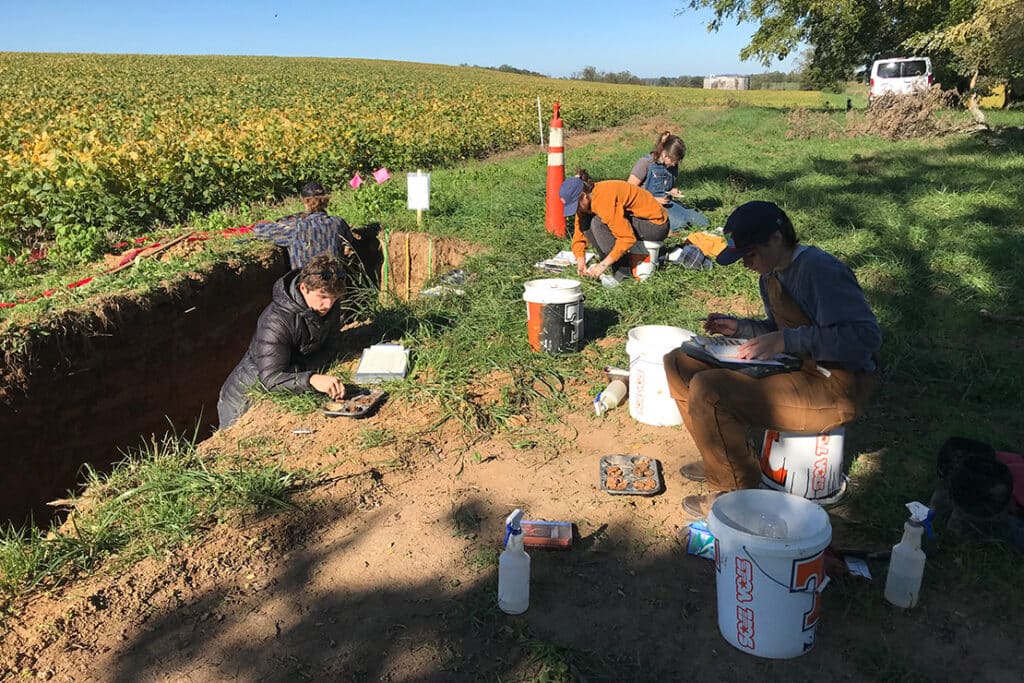
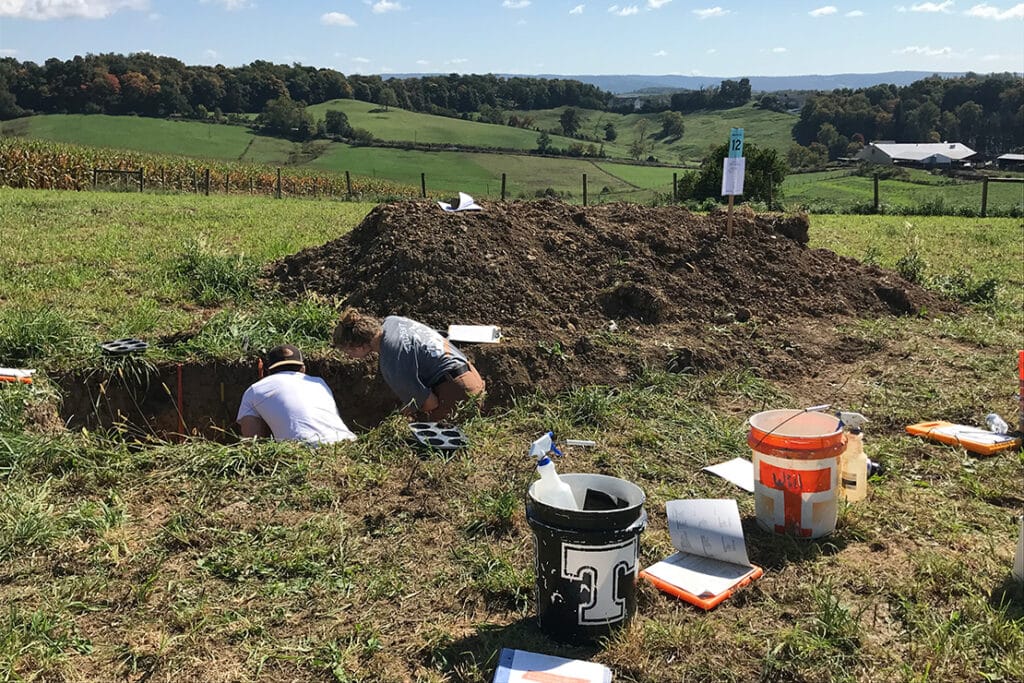
Hands-on learning is an integral component of the environmental science major. In addition to labs and coursework, students gain real-world experience through soil judging, stream assessments, campus evaluations, and trips to research units across the state.
A Versatile Degree
Environmental science is one of the broadest and most versatile degrees within the Herbert College of Agriculture. Students take courses in the areas of science, agriculture, soils, leadership, communications, and more to gain the skills needed to stand apart in the agricultural and science fields.
Student Organizations
The Department of Biosystems Engineering and Soil Science is recognized for its outstanding student opportunities through judging teams and student clubs. The Soil Judging Team, often called the “Soil Vols,” provides hands-on experience for students to test soil quality through campus-affiliated trips and course credit.
The Environmental and Soil Science Club is a major-specific student organization open for anyone to join. Members gain valuable connections and unique experiences through networking events and club field trips.
What can you do with a degree in Environmental Science?
The environmental science program prepares students for a variety of careers in agriculture and natural resources. Graduates hold careers such as soil and environmental specialists and scientists, state and federal regulatory agency workers, private consultants in environmental and agricultural areas, and positions with non-governmental organizations with interests in agriculture, environment, and natural resources. Students receiving this degree are also competitive for placement in graduate programs in environmental and agricultural sciences and technology.
Featured Courses
ESS 120 – Soils and Civilizations
Investigation of the close linkage between environmental degradation and civilization sustainability. Comparisons of past soil management practices to present-day issues of soil salinization, erosion, siltation, and climate change. Introduction to the role of soil resources in current global environmental issues and conflicts.
ESS 130 – Fundamentals of Environmental Science
An introduction to environmental sciences, an interdisciplinary field integrating concepts from biology, geology, hydrology, energy, waste, and agriculture to study environmental problems and human impacts on the environment. Students will gain a broad scientific foundation that can be applied to contemporary environmental issues.
ESS 231 – Fundamentals of Soil Science
Differences in soils, soil genesis, and the physical, chemical, and biological properties of soil. Relation of soil to agricultural and environmental sustainability, land use, and pollution. Soil management relative to tillage, erosion, moisture supply, temperature, aeration, fertility, and plant nutrition.
ESS 424 – Environmental Stormwater Management
Investigation of sustainability issues regarding control of the hydrologic cycle, with special emphasis on hydrologic estimation, hydraulic design, and best management practices for control of stormwater and associated erosion and water quality issues.
ESS 454 – Environmental Soil Biology
Biology and biochemistry of the soil environment as they apply to environmental and agricultural processes and sustainability. Topics include the soil habitat, microbial ecology and diversity, biogeochemical cycling of nutrients, biodegradation, and research methodology to investigate soil microorganisms.
ESS 474 – Environmental Instrumentation and Monitoring
Equipment and techniques commonly used to measure all aspects of the hydrologic cycle: precipitation, runoff, streamflow, and subsurface water movement. Sampling of all flows for contaminants. Design of monitoring systems. Analysis of data.
The BESS department has provided me with great experiences to get hands-on experience and learn outside the classroom. All of the ES professors are incredibly passionate. Through them, I’ve had the opportunity to conduct undergraduate research and apply what I’ve learned in class at several of UT’s off-campus research centers.”
Drew Hogan, 2027
Environmental Science

Admissions and Aid
Learn more about admissions and aid by visiting the links below.