
Forestry, BS
The Bachelor of Science in Forestry integrates the science, art, and practice of managing and using forest lands. Through four specialized concentrations, this integrative program equips students with all the skills necessary to pursue careers in any aspect of forestry, from urban forestry to outdoor recreation.
Program Overview
In this comprehensive program, students gain experience in multiple forestry disciplines through education in the areas of forestry, ecology, soil and water, and wildlife. Depending on the chosen concentration, students can specialize in forest biology, forest business management, recreation ecology, or urban forestry. Housed within the School of Natural Resources, the opportunities are endless in this program.
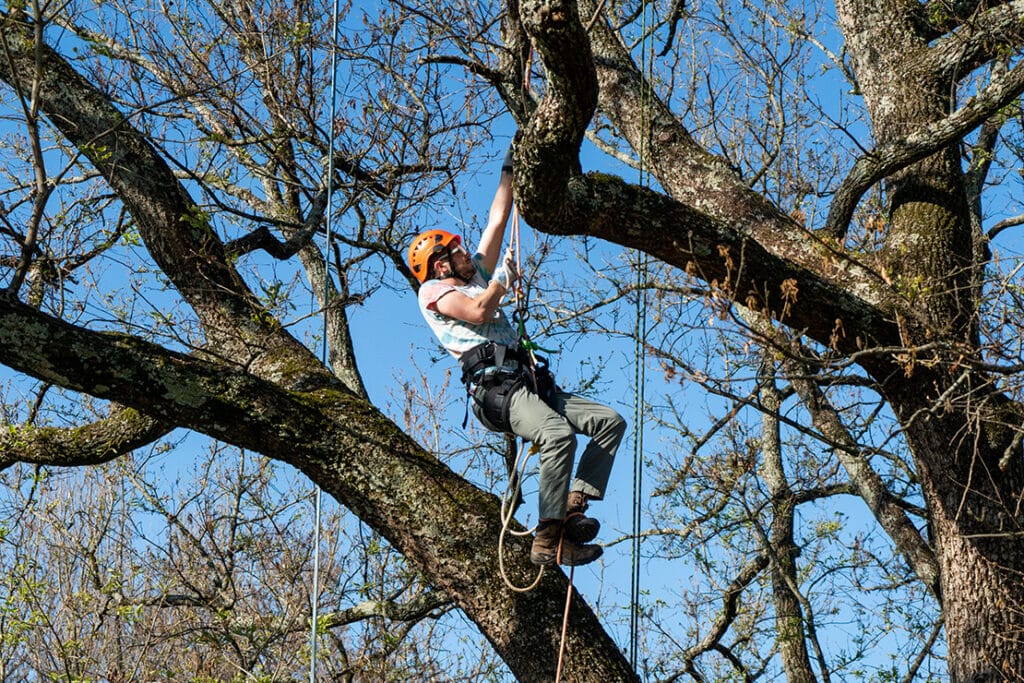
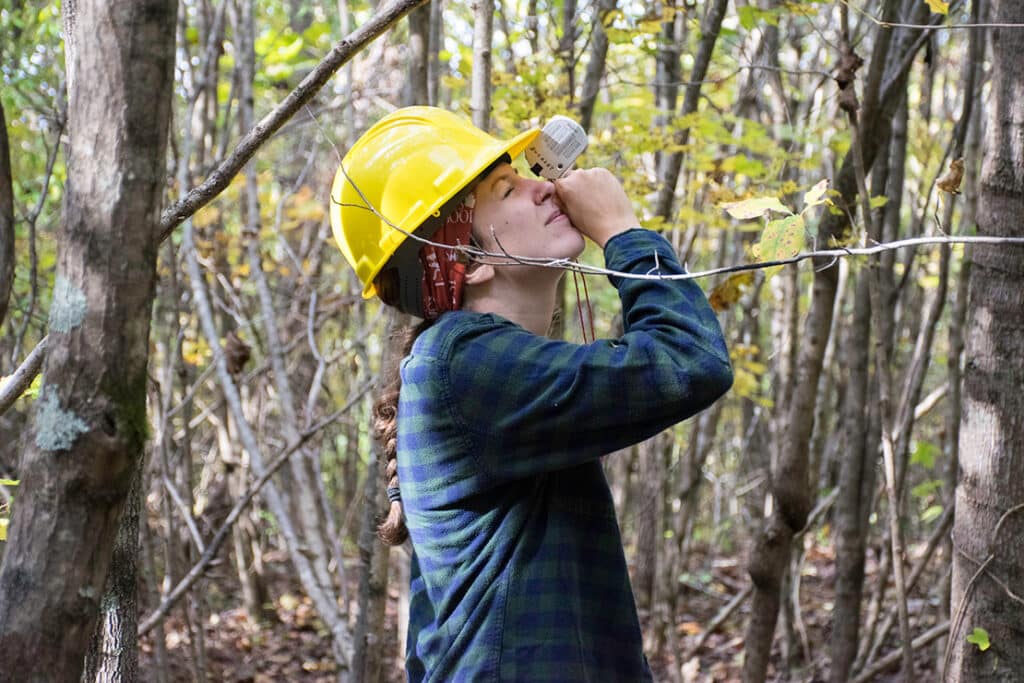
Experiential learning is at the heart of the forestry program. Forestry classes can take place anywhere across campus or the state of Tennessee. Labs include valuable hands-on activities like tree climbing and controlled burns. Forestry students are accustomed to lacing up their work boots and wearing their hard hats for class.
Concentrations
There are four forestry concentrations: forest resources management, outdoor recreation and park management, restoration and conservation science, and urban forestry. The forest resources management, restoration and conservation science, and urban forestry concentrations are accredited by the Society of American Foresters under the Forestry Standards.
Why study Forestry?
Forest Land for a Classroom
In addition to regular coursework, students gain real-world experience through labs and hands-on learning opportunities. Labs in the forestry program look different than most, taking place across 21,000 acres of forest land available for teaching, research, and demonstration.
Fall Camp
During the fall semester of senior year, forestry students take fall block, or more commonly known as “fall camp.” All forestry concentrations take fall block, except for outdoor recreation and park management, and is often referred to as students’ favorite part of the forestry program.
Fall camp is an intensive set of classes taken together and taught in a block format. Students participate in these courses all day, spending most of their time learning in a field environment. Through these courses, students gain hands-on training in their area of study, team-building skills, and a wide variety of other forestry or wildlife and fisheries management skills.
Student Organizations
Involvement in student organizations is a valuable part of the forestry student experience. The Forestry Club is a major-specific student organization that connects students and forestry industry professionals to build skills in professional development. The Forestry Club also attends competitions and events, such as the Annual Southern Forestry Conclave.
What can you do with a degree in Forestry?
A degree in forestry prepares graduates for a wide range of careers in agriculture and natural resources. Graduates pursue careers as foresters, wildland firefighters, silviculturalists, forest rangers, arborists, and more. Students receiving this degree are also competitive for placement in graduate programs in forestry and natural resources.
Featured Courses
SNR 250 – Conservation
Use and abuse of wildland resources. Historical perspectives and current management of forests, wildlife, and fish of North America, including aspects of outdoor recreation and pollution problems.
ORPM 325 – Managing Outdoor Recreation Impacts
The practical and theoretical basis of recreational use of public and private lands is examined in the context of ecosystem management. The statutory and regulatory policies and current issues regarding the management and use of lands in wilderness systems, wild and scenic river corridors, parks, and open spaces are discussed in detail. The impacts of recreational uses on the environment and conflicts with other uses of land and resources are discussed.
FORS 322 – Silvicultural Practices
Application of silvicultural techniques and tree improvement. Use of herbicides and fire management.
SNR 310 – Wildland Fire Behavior and Management
An introduction to wildland fire management, covering the fundamentals of fire behavior, fire weather, equipment, and safety.
FORS 335 – Principles of Urban Forestry
This introductory course covers the history of the urban forest, benefits and costs of urban forests, tree biology, urban soil, urban forestry planning and management, urban forestry and public policy, and public works.
FORS 411 – Principles of Wood Procurement and Forest Operations
An introduction to wood procurement, forest road building, and harvest planning. Topics will include different procurement methods, financial and resource assessment, negotiation skills, and legal requirements of wood procurement; basic forest hydrology and road construction concepts; and harvest technology and planning.
I love this major because our classes are a mixture of field work and more traditional in-the-classroom work. I’ve never felt more supported and interested in my academic career than the past three years I’ve been in forestry.”
Finley Oldham, 2026
Forestry
Admissions and Aid
Learn more about admissions and aid by visiting the links below.