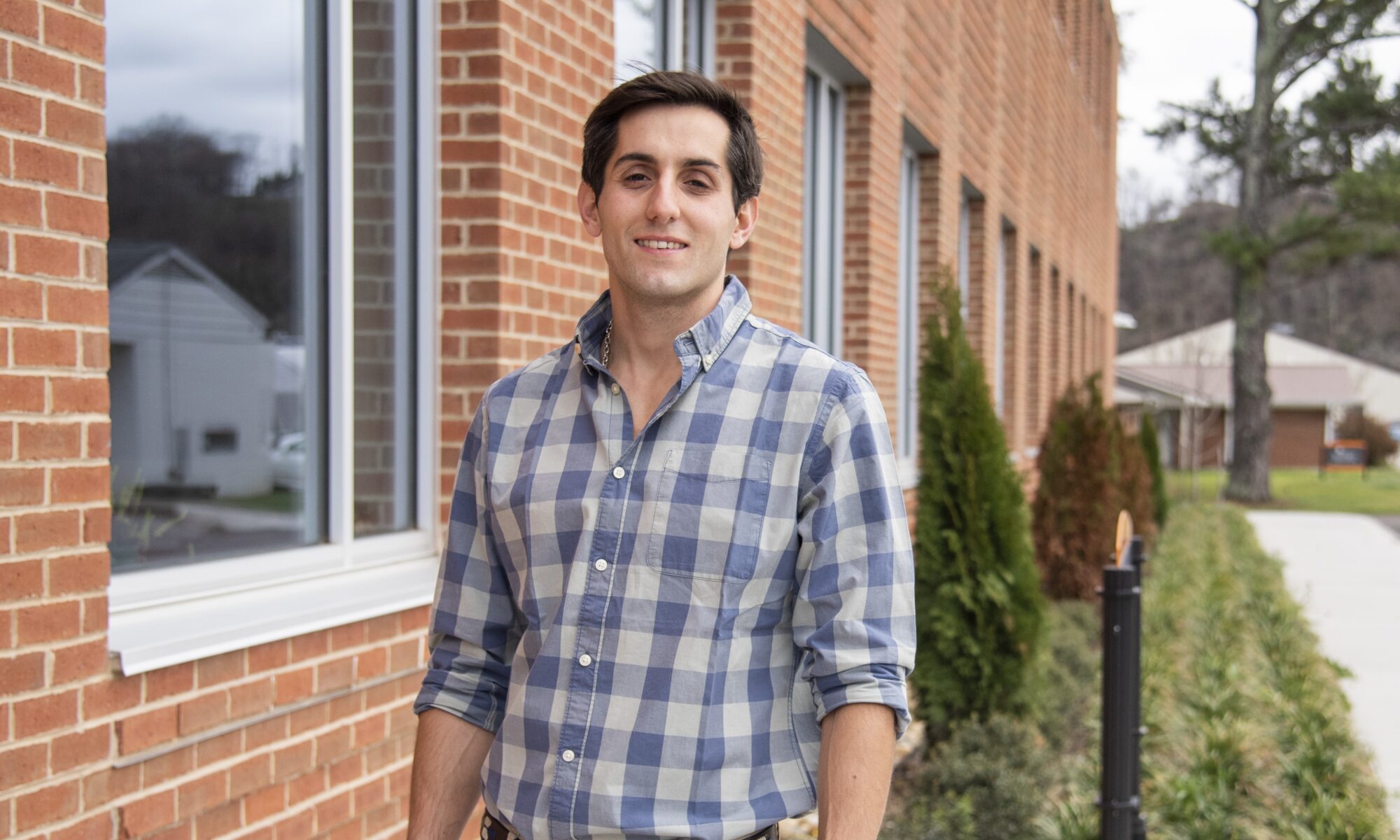
Facundo Lussich Rachetti earns his PhD in plant, soil, and environmental sciences with a concentration in environmental and soil sciences. He will continue his journey at the University of Tennessee, Knoxville, as a postdoctoral researcher.
Where are you from?
I am from Uruguay, a small country in South America known for its agricultural heritage and wide-open landscapes.
What drew you to the Herbert College of Agriculture and/or UT Knoxville?
I wanted to become a researcher in sustainable agriculture, with a focus on nitrogen cycling and soil biogeochemistry, and UT immediately stood out as a leading R1 research institution with exceptional resources and collaborative opportunities. What truly drew me here was the chance to work with my advisor, Dr. Debasish Saha, a nationally recognized expert in nitrous oxide emissions and sustainable agricultural systems. The strong research culture, supportive faculty, and welcoming community made UT the perfect place to grow as a scientist.
What is your dissertation about, and why is it important?
My dissertation examines how long-term soil health practices, such as no-till, cover cropping, and nitrogen fertilization, shape nitrogen cycling, soil aeration, microbial ecology, and ultimately nitrous oxide (N₂O) emissions in continuous cotton systems. This research is important because N₂O is a potent greenhouse gas and understanding when and why emissions occur is essential for building more resilient, climate-smart cropping systems. My work integrates field experiments, laboratory studies, and machine-learning modeling to reveal both the biological and environmental mechanisms driving emissions and to improve our capacity to predict them
Which part of your research are you most proud of?
I am especially proud of the highly collaborative nature of my research. Working with teams at Oak Ridge National Laboratory and the University of Memphis opened doors to new technologies and perspectives. One highlight was adapting high-resolution oxygen sensors, typically used in plant or aquatic systems, to measure soil oxygen dynamics. This innovation allowed us to document, for the first time in soil, how heterotrophic respiration can rapidly induce localized anoxia, triggering sharp N₂O pulses. This mechanism had long been suspected but lacked direct confirmation. Contributing to that advancement is something I will always be proud of.
How has your research contributed to your field or community?
My research provides a deeper understanding of how conservation practices influence soil processes that regulate greenhouse gas emissions. By linking soil biology, chemistry, and physics across time and depth, my work supports the development of more sustainable and climate-resilient agricultural systems. On a broader level, the models and insights produced in my dissertation help farmers, researchers, and policymakers make more informed decisions about nitrogen management and soil stewardship.
Are there any faculty or staff members that have made a significant impact on you?
Many people at UT and partnering institutions have shaped my professional and personal development. Dr. Saha, my advisor, has been an outstanding mentor and guide throughout my PhD. Dr. Melissa Cregger at Oak Ridge National Laboratory and Dr. Shawn Brown at the University of Memphis were instrumental in supporting the microbial and genomic aspects of my work. Lastly, Dr. Jashan Dhaliwal, a postdoctoral researcher, has been a collaborative partner from my first day, someone with whom I’ve grown both scientifically and personally. I am grateful for all the faculty and staff who created such a supportive and motivating environment.
What are your plans after graduation?
I will continue along the research path as a postdoctoral researcher at the University of Tennessee. My goal is to deepen our understanding of how ecological processes and agronomic practices interact, with a continued focus on nitrogen cycling, soil health, and greenhouse gas emissions.
How has Herbert and/or UT Knoxville helped prepare you for what comes next?
Hebert has provided an exceptional training environment, from access to advanced analytical tools and high-quality research facilities to outstanding mentorship and collaborative networks. Herbert fosters a culture of curiosity, critical thinking, teamwork, and innovation, which has prepared me well for a long-term career in research.
What does being a Volunteer mean to you?
To me, being a Volunteer means using your skills and passion in service of others. It means contributing to knowledge that improves lives, embracing collaboration, and lifting up your community. UT has instilled in me a commitment to scientific excellence and to making a meaningful, positive impact—values I will carry with me throughout my career.